“Make seats” search results (900)
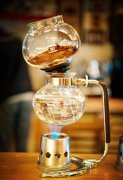
Siphon Pot using the tutorial plug Pot to make Coffee
The siphon coffee pot, also known as the plug Pot, is made by Scottish Navy engineer Robert Naiphir. It was invented in 1840. It is not difficult to make a cup of coffee with a siphon pot, mainly to pay attention to some details. Such as: visual inspection, temperature control and so on. This requires us to pay attention to what needs to be done in each link from the very beginning. There is a saying called detail decision.
2015-08-31 Siphon use tutorial plug Pot Coffee Operation flow siphon Coffee Pot and
The History and usage of Coffee siphon Pot
In 1840, a glass test tube in a laboratory triggered the invention of siphon coffee (Syphon). The British took the test tube used in Biya's chemical experiment as a model to create the first vacuum coffee pot. Two years later, Mrs. Bachang of France improved the kettle with a little spring in shape, and the familiar upper and lower convection siphon pot was born. Siphon coffee maker in France
2015-05-27 Coffee common sense siphon history and its usage 1840 one experiment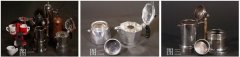
Mocha pot brews coffee
The picture of the mocha pot shows: the first three mocha pots, the left and middle are the traditional mocha pots, and the right is the compact mocha pots. Comparatively, inside the lid, the condensed mocha kettle has a round condensing valve. The last four are all kinds of traditional mocha pots. Brief description of the parts: figure 1 is the Brikka pressure type, figure 2 is the traditional mocha kettle 1, the lower seat: the place where the water is put, with a pressure relief valve on it. 2. Powder trough
2014-07-15 Mocha pot brewing coffee coffee utensils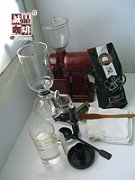
Siphon pot tutorial
[prepare] siphon pot, stirring bar, bean grinder, coffee beans, timer, wet cloth, coffee shell, bean grinder [coffee powder and water ratio 1VR 7.5, tutorial takes making two cups of coffee as an example] ① pour 300ML water into the lower seat of the siphon pot, pay attention to wipe the kettle dry, and then heat it. ② put the chain in the upper seat of the siphon pot. Fix the position of the upper seat and filter cloth, and determine the chain
2014-08-25 Siphon pot tutorial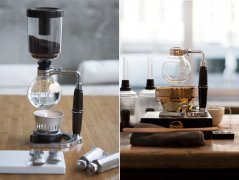
The history and usage of siphon pot
In 1840, a glass test tube in a laboratory triggered the invention of siphon coffee (Syphon). The British took the test tube used in Biya's chemical experiment as a model to create the first vacuum coffee pot. Two years later, Mrs. Bachang of France improved the kettle with a little spring in shape, and the familiar upper and lower convection siphon pot was born. Siphon coffee maker in France
2015-08-28 Siphon history and its usage 1840 one laboratory glass test
History and usage of siphon pot
The history and usage of siphon coffee (plug-in brewing method) in 1840, a glass test tube in the laboratory triggered the invention of the siphon coffee maker (Syphon). The British took Biya's test tube for chemical experiments as the model to create the first vacuum coffee pot. Two years later, Mrs. Bachang of France improved this pot with a bit of spring shape, which is familiar to everyone.
2014-07-29 Siphon pot siphon pot usage coffee utensils
The history and usage of siphon pot
In 1840, a glass test tube in a laboratory triggered the invention of the siphon coffee maker (Syphon). The British took the test tube used in Biya's chemical experiment as a model to create the first vacuum coffee pot. Two years later, Mrs. Bachang of France improved the kettle with a little spring in shape, and the familiar upper and lower convection siphon pot was born. Siphon coffee pot in France
2015-10-23 Siphon History usage plug Cooking 1840 one Laboratory Glass
History and usage of siphon pot
The history and usage of siphon coffee (plug-in brewing method) in 1840, a glass test tube in the laboratory triggered the invention of the siphon coffee maker (Syphon). The British took Biya's test tube for chemical experiments as the model to create the first vacuum coffee pot. Two years later, Mrs. Bachang of France improved this pot with a bit of spring shape, which is familiar to everyone.
2015-10-08 Siphon history usage siphon coffee plug cooking
Siphon pot basic siphon pot history and use method
In 1840, a glass test tube in the laboratory triggered the invention of the siphon coffee pot (Syphon), and the British took Biya as a prototype for chemical experiments to create the first vacuum coffee pot. Two years later, Mrs. Baxiang of France improved the pot with a little spring shape, and the familiar upper and lower convection siphon pot was born. Siphon coffee pot in France
2014-09-09 Coffee knowledge siphon pot history siphon pot usage
History and usage of siphon pot siphon coffee
In 1840, a glass test tube in a laboratory triggered the invention of the siphon coffee maker (Syphon). The British took the test tube used in Biya's chemical experiment as a model to create the first vacuum coffee pot. Two years later, Mrs. Bachang of France improved the kettle with a little spring in shape, and the familiar upper and lower convection siphon pot was born. Siphon coffee pot in France
2015-07-16 Siphon History usage Coffee 1840 one Lab Glass try
The history and usage of fine coffee siphon pot
In 1840, a glass test tube in a laboratory triggered the invention of siphon coffee (Syphon). The British took the test tube used in Biya's chemical experiment as a model to create the first vacuum coffee pot. Two years later, Mrs. Bachang of France improved the kettle with a little spring in shape, and the familiar upper and lower convection siphon pot was born. Siphon coffee maker in France
2014-10-20 Coffee knowledge boutique coffee science siphon pot coffee brewing
The History and usage of Coffee knowledge siphon Pot
In 1840, a glass test tube in a laboratory triggered the invention of siphon coffee (Syphon). The British took the test tube used in Biya's chemical experiment as a model to create the first vacuum coffee pot. Two years later, Mrs. Bachang of France improved the kettle with a little spring in shape, and the familiar upper and lower convection siphon pot was born. Siphon coffee maker in France
2014-09-24 Coffee knowledge history of siphon pot usage of siphon pot
The use of various coffee machines different production methods require different cooking time
The operation of the Turkish coffee pot first we would like to introduce what is meant by brewing coffee. Boil-put something in water and boil it over fire. But the process of brewing coffee is to wash the taste out of the coffee with water of 92-96 degrees. So many people will misunderstand this word. If you really put the coffee into the water to brew, the drink you get will no longer be a cup of coffee, but a cup.
2015-09-11 Various coffee machines methods of use different methods of production needs cooking time soil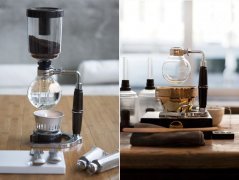
Introduction to the history and usage of siphon kettle
In 1840, a glass test tube in a laboratory triggered the invention of siphon coffee (Syphon). The British took the test tube used in Biya's chemical experiment as a model to create the first vacuum coffee pot. Two years later, Mrs. Bachang of France improved the kettle with a little spring in shape, and the familiar upper and lower convection siphon pot was born. Siphon coffee maker in France
2015-08-06 Siphon History and its usage plug Pot introduction 1840 one Real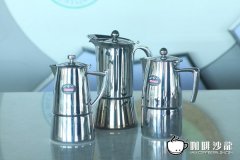
Mocha pot is not only the seed of Espresso but also the source of Espresso.
Today, when Italian coffee is popular all over the world, we are no stranger to Italian coffee machine, and even passers-by can name several Italian fancy coffee. But today we have more criticism and discrimination against the mocha pot, and we always question whether the coffee made by mocha is Espresso. So Uncle Dou would like to share some of my views on the mocha pot.
2015-03-04 Mocha pot Espresso seed and more importantly source
The History and usage of Fine Coffee basic knowledge siphon Pot
In 1840, a glass test tube in a laboratory triggered the invention of siphon coffee (Syphon). The British took the test tube used in Biya's chemical experiment as a model to create the first vacuum coffee pot. Two years later, Mrs. Bachang of France improved the kettle with a little spring in shape, and the familiar upper and lower convection siphon pot was born. Siphon coffee maker in France
2014-12-09 Boutique coffee basics common sense siphon history and its usage 1840
Coffee growing environment
Arabica scientific name: Coffea arabica family: Rubiaceae coffee morphological characteristics: small trees or large shrubs, plant height 5~8 meters. Base usually much branched, older branches gray. nodes dilated, young branches glabrous. Leaves thin leathery ovate-lanceolate or lanceolate, apex long acuminate, base cuneate or slightly obtuse, entire or shallowly undulate, glabrous on both sides. Cymes several clustered in leaf axils
2014-08-08 Coffee knowledge Arabica coffee Coffee encyclopedia
Basic knowledge of mocha pot brewing coffee
The picture of the mocha pot shows: the first three mocha pots, the left and middle are the traditional mocha pots, and the right is the compact mocha pots. Comparatively, inside the lid, the condensed mocha kettle has a round condensing valve. The last four are all kinds of traditional mocha pots. Brief description of the parts: figure 1 is the Brikka pressure type, figure 2 is the traditional mocha kettle 1, the lower seat: the place where the water is put, with a pressure relief valve on it. 2. Powder trough
2015-05-26 Mocha pot coffee basics common sense mocha pot picture front three medium biography
The History and usage of siphon Pot General knowledge of Coffee Pot
In 1840, a glass test tube in a laboratory triggered the invention of siphon coffee (Syphon). The British took the test tube used in Biya's chemical experiment as a model to create the first vacuum coffee pot. Two years later, Mrs. Bachang of France improved the kettle with a little spring in shape, and the familiar upper and lower convection siphon pot was born. Siphon coffee maker in France
2015-03-16 Siphon history and its usage coffee maker common sense 1840 one real
A detailed explanation of the history and usage of the siphon kettle
In 1840, a glass test tube in a laboratory triggered the invention of siphon coffee (Syphon). The British took the test tube used in Biya's chemical experiment as a model to create the first vacuum coffee pot. Two years later, Mrs. Bachang of France improved the kettle with a little spring in shape, and the familiar upper and lower convection siphon pot was born. Siphon coffee maker in France
2015-03-02 Saifeng kettle common sense siphon history and its usage detailed explanation 1840 one